Optimal Timing for Ivy Removal
Understanding the optimal timing for ivy removal is essential to ensure safety and effectiveness. The best time to undertake ivy removal depends on several factors, including seasonal conditions and plant growth cycles.
Spring is ideal for ivy removal as plants are actively growing, making it easier to detach and remove without damaging structures.
Summer removal can be effective but may require extra caution due to increased plant growth and heat.
Autumn offers a good window as ivy begins to die back, reducing the risk of damage and making removal simpler.
Winter is generally less suitable because ivy is dormant, and removal can be more difficult and less effective.
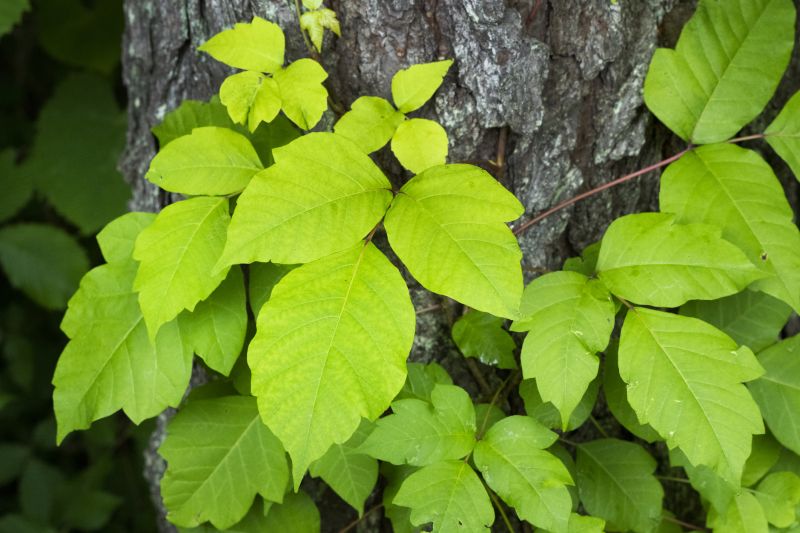
Ivy actively grows during spring, making it easier to identify and remove.
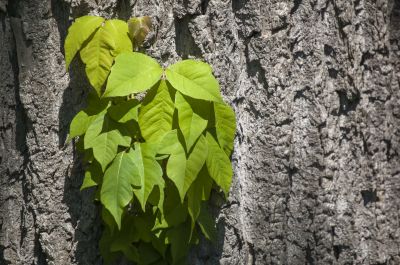
Summer growth requires careful removal to prevent damage to structures.
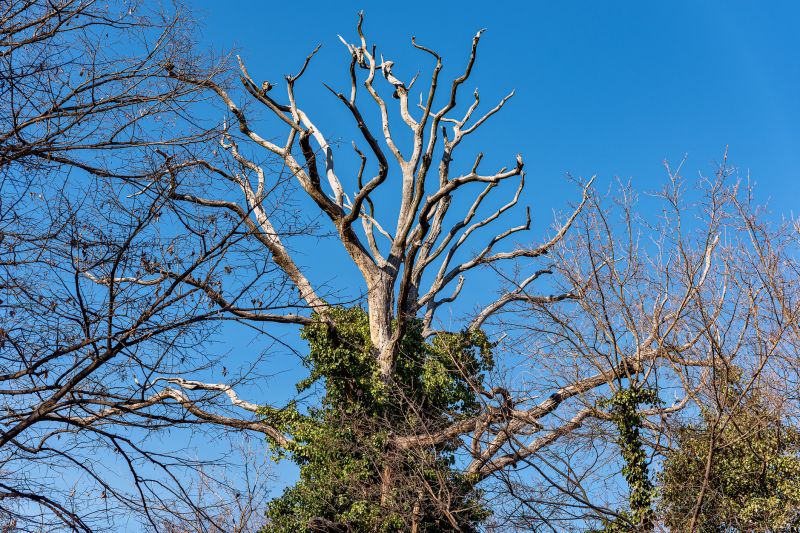
Autumn is a good time to remove ivy as it begins to die back.
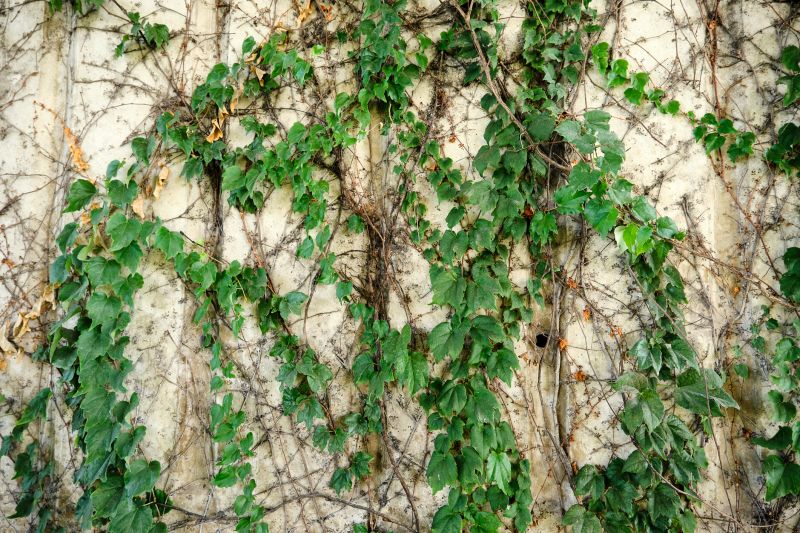
Ways to make Ivy Removals work in tight or awkward layouts.
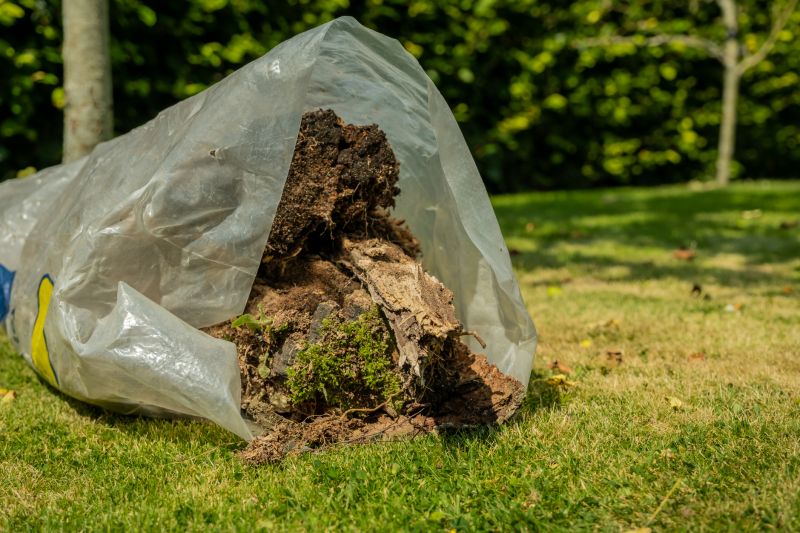
Popular materials for Ivy Removals and why they hold up over time.
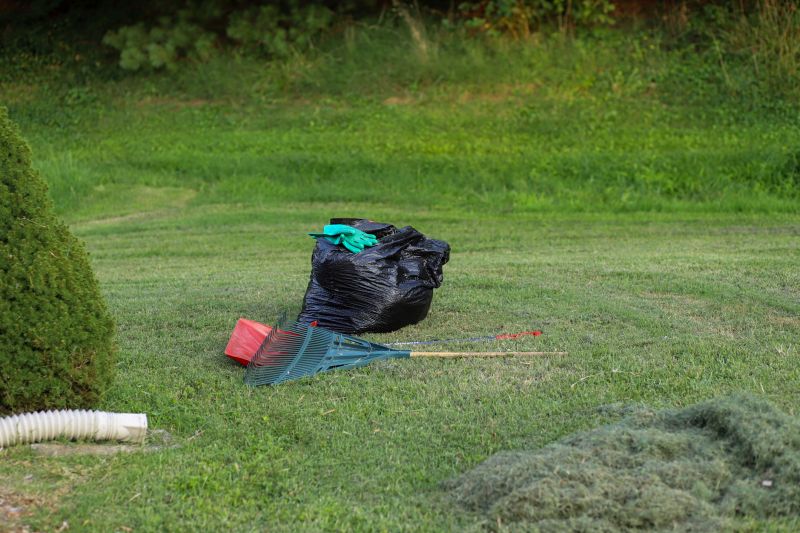
Simple add-ons that improve Ivy Removals without blowing the budget.
Ivy removal is a process that requires careful planning and timing. Properly timed removal can prevent damage to walls, roofs, and other structures, and reduce the likelihood of regrowth. Seasonal considerations are crucial; removing ivy during its active growth phase ensures more efficient removal and less regrowth. Additionally, weather conditions such as dry days help facilitate safer and more thorough removal procedures.
| Season | Recommended Timing |
|---|---|
| Spring | Early spring before full growth begins |
| Summer | Mid to late summer during active growth |
| Autumn | Late autumn when ivy starts to die back |
| Winter | Generally not recommended due to dormancy |
| Weather | Prefer dry, mild days for removal |
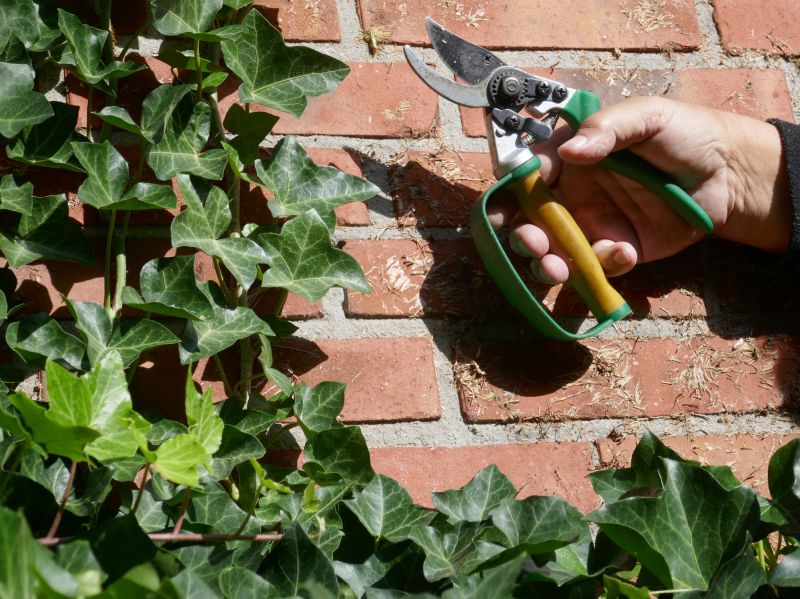
Proper tools facilitate efficient removal during optimal seasons.
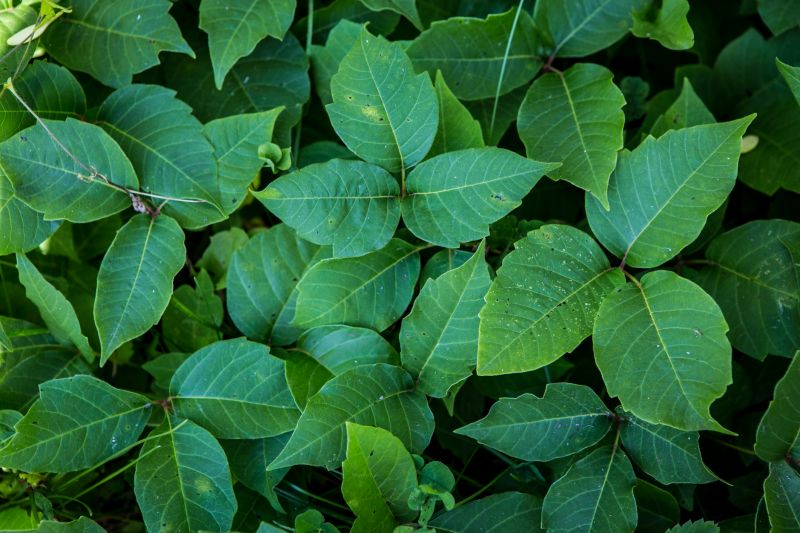
Effective removal shows clear difference in structure appearance.
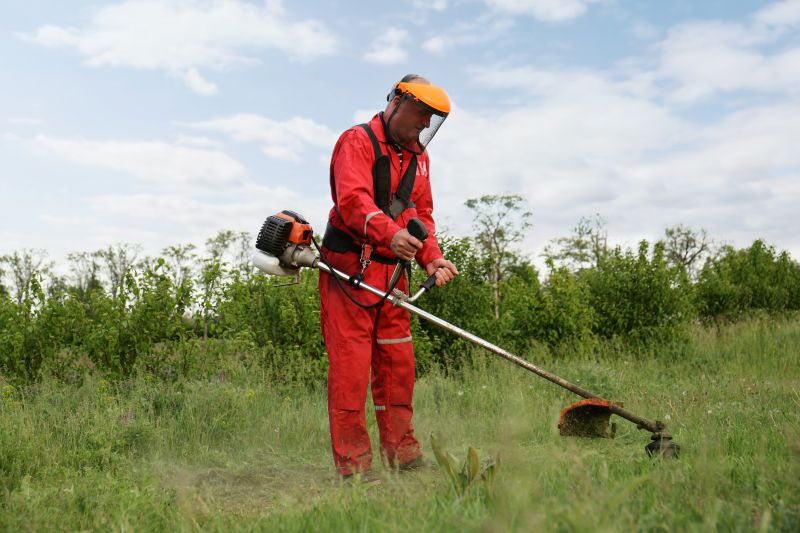
Using safety gear ensures safe removal in all seasons.
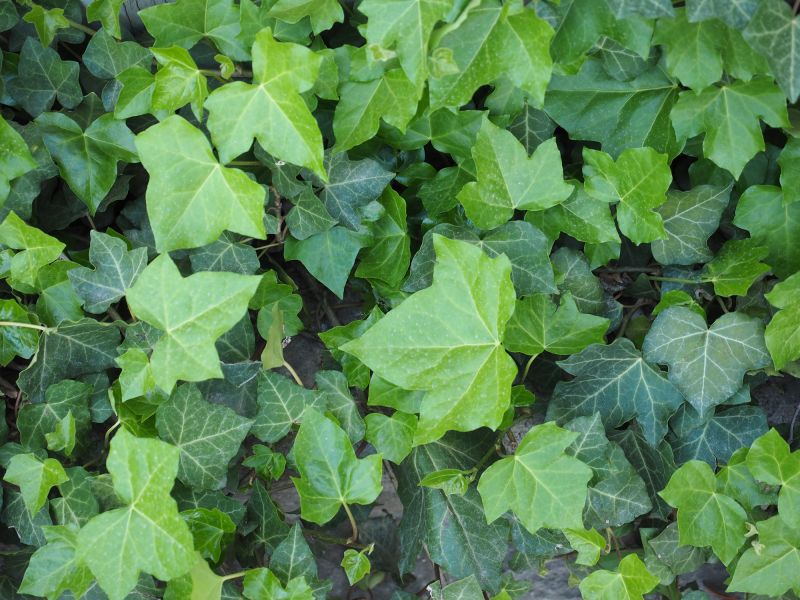
Cleaned surfaces ready for maintenance or replanting.
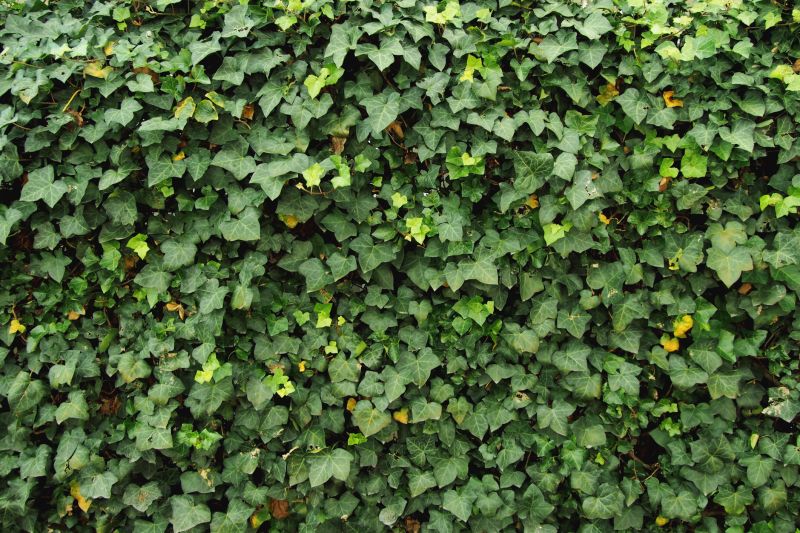
High-end options that actually feel worth it for Ivy Removals.
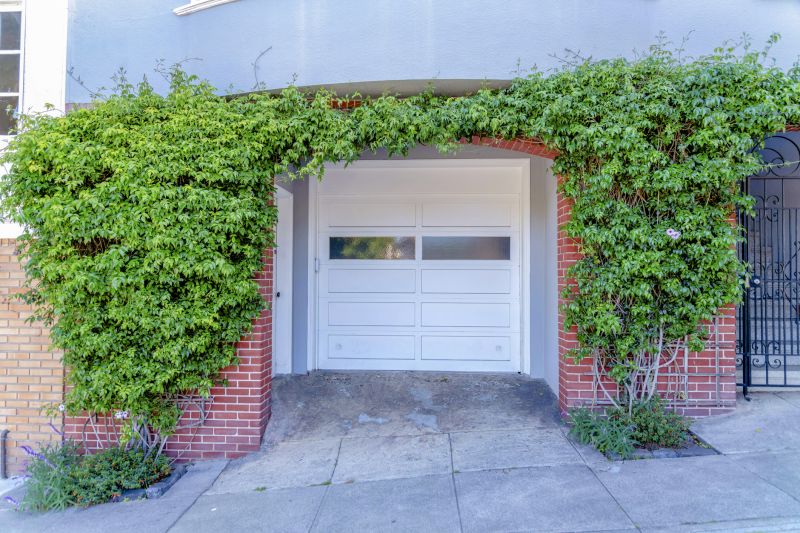
Finishes and colors that play nicely with Ivy Removals.

Little measurements that prevent headaches on Ivy Removals day.

A 60-second routine that keeps Ivy Removals looking new.
Choosing the right time for ivy removal can significantly impact the ease and effectiveness of the process. Consulting with professionals can help determine the best season based on local climate and specific site conditions. Proper timing also minimizes potential damage to structures and reduces the likelihood of regrowth, ensuring a cleaner and safer environment.
Individuals interested in scheduling ivy removal are encouraged to contact for further guidance and assistance. Filling out the contact form provides an opportunity to discuss specific needs and plan the most suitable timing for removal projects.